Memories of the 1976 Open and the dawn of the golden age of European golf
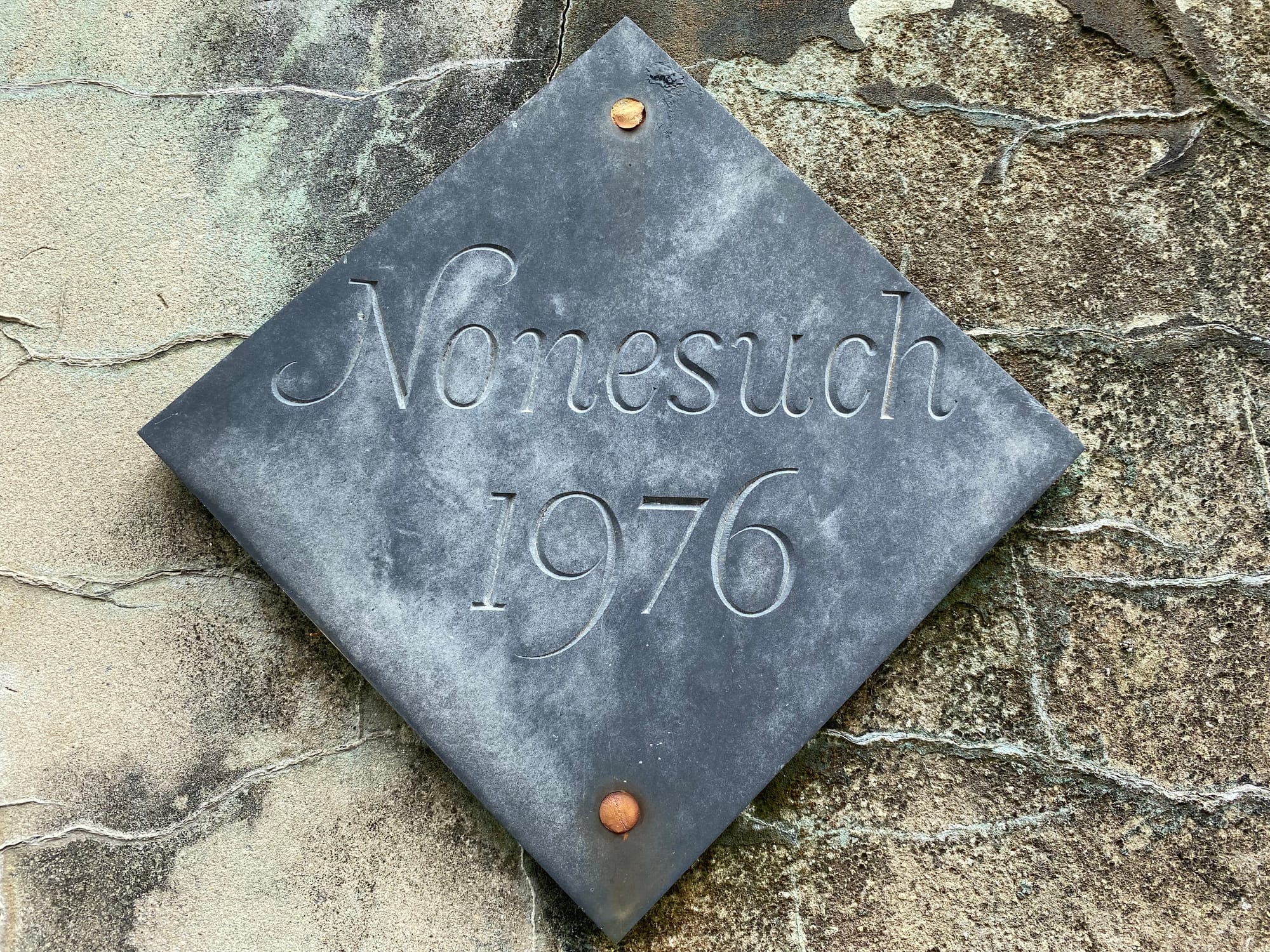
At the foot of a bronze Hercules in Portmeirion — the statue Clough Williams-Ellis spotted in a copy of Country Life and drove home from Aberdeen on the back of a lorry — there is a collection of plaques most visitors walk past. The statue stands atop a flight of steps near Hercules Hall, on the path leading to the estuary, allowing the muscled figure to preside over the whole village's descent to the water. Each autumn, so the story goes, Clough would meet with his sculptor Jonah Jones beneath the statue to evaluate the summer just gone and decide whether it deserved a medal. 1959 was inscribed in honour of its splendour. 1971 was highly commended. 1975, remarkably, was judged to have excelled even that. I visited Portmeirion in 1977, with the parched fairways of 1976 Royal Birkdale Open still fresh in my memory, and the newest plaque was the one that stopped me in my tracks.
Nonesuch.
No additional words are required when striking such a sentiment.
1976 was the summer of all summers, especially for a 16 year old — a summer Britain still measured every future hot spell against, until half a century on and the recent heatwaves which have gripped the 'old country'.
The reservoirs cracked into crazy paving. Standpipes appeared in streets, and Candi Staton's "Young Hearts Run Free" seemed to drift out of every open window and car radio, an unlikely soundtrack to a country quietly baking.
And on the Lancashire coast, at Royal Birkdale, the fairways had dried to the colour and consistency of drift sand, so parched that during Open week the course itself came alight. The fine fire brigade of Southport brought their fire engine onto the course to dampen the smouldering foliage. I remember the smoke vividly, but I remember the golf even more clearly, because this Open turned out to matter more than anyone realised at the time.
Nonesuch a summer. Nonesuch a week, though it would take a decade or more before we understood quite why.
This was the first Open I was permitted to attend all four days unaccompanied — I stayed with my sister in St Helens and travelled in to Birkdale by train each morning, out through the sootier edges of Merseyside and into that scorched and shimmering coastline, feeling every inch the grown-up.
My newly granted freedom, the parental trust placed in me, was on reflection the start of my journey to independence and adulthood. And, just as my personal landscape was changing, so too was that of top level professional golf. I couldn't have told you then I was watching the opening credits of an era. I don't think anyone could.
The buzz in the crowd and the name on every lip by Thursday evening had nothing to do with the eventual champion. Severiano Ballesteros was nineteen, a relatively unknown quantity to the British galleries, and he shared the first-round lead before promptly extending it, and extending it again, until by Saturday night he stood two clear at the top of the leaderboard with two of the game's most decorated players — Johnny Miller and Jack Nicklaus — hot on his heels. He played with a naturalness that seemed irreverent of the company he was keeping, a flamboyance that had little in common with the calculating golf the modern professional game was supposed to reward. The galleries didn't just watch a talented teenager; they were captivated by the still boyish charisma he exuded. And, quick enough, Severiano Ballesteros simply became 'Seve', and a touchpaper was lit, another fire at Birkdale began to smoulder, and a golden era of European golf was about to begin.
Sunday brought Ballesteros and his new legion of fans back down to earth with a bump, as Sundays in major championships have a habit of doing to the young and less battle hardened. Ballesteros began the final round two shots clear of Miller, with Nicklaus and Raymond Floyd both a further five shots back. By the turn he had surrendered that cushion, out in 38 to Miller's 33. Worse was to follow with a triple bogey at 11 and a further bogey at 12, the fairytale all but over. Ballesteros simply refused to lie down, closing his round with three birdies and an eagle over his final six holes. His approach to the very last hole would become his trademark, an outrageous chip rolling to within a few feet of the hole. He finished tied for second with Nicklaus, six shots behind Miller.
None of Ballesteros's exploits should diminish the excellence and style of the victor. Johnny Miller played the golf of his life, closing his Championship with a course-record-equalling 66. His game was built on relentless, clean-striking precision which had made him, briefly, the best player on earth. It was his second major victory and, though no-one would believe it watching him command Birkdale that Sunday, it would be his last. For one week, though, Miller was exactly as good as his talent had always promised.
Beyond the fight for the Claret Jug there was a new stage being created by two Europeans who began their Open Championship journeys at Birkdale. Their names meant little to most observers, but both had been tipped as potential stars of the future. An eighteen-year-old Englishman named Nick Faldo, having led the qualifying rounds with confidence, finished in a creditable tie for twenty-eighth place. Also present that week was a young West German, Bernhard Langer.
Nobody at Birkdale in 1976 was thinking about Faldo or Langer. There was a fire on the course and a Spanish teenager writing all the headlines. This was the week the golden generation of European golf quietly clocked in for its first shift.
I was just sixteen years old on that train from St Helens, unaware I was witnessing what would be a hinge point in the sport I loved. The birth of a new vanguard of European golf — their herculean efforts secured Claret Jugs, Green Jackets and Ryder Cups — would go on to validate the Nonesuch of all Opens, in the Nonesuch of all summers.